

Article Reviewed by a licensed insurance professional: Sam Meenasian (CA dept of insurance license #0F75955).
Estimated reading time: 5 minutes
Wearable technology has become part of everyday life for many people. Fitness trackers, smartwatches, smart rings, smart helmets, ergonomic sensors, and other connected devices can record activity levels, sleep patterns, heart rate, location, posture, and environmental conditions. For consumers, these tools can support healthier habits. For employers and insurers, they may also support wellness programs, risk management, claims prevention, and better customer engagement.
Because wearable data can involve health, privacy, and insurance costs, it must be used carefully. A well-designed program should be voluntary, transparent, secure, and compliant with applicable insurance, privacy, employment, and consumer protection laws.
What Wearable Devices Can Track
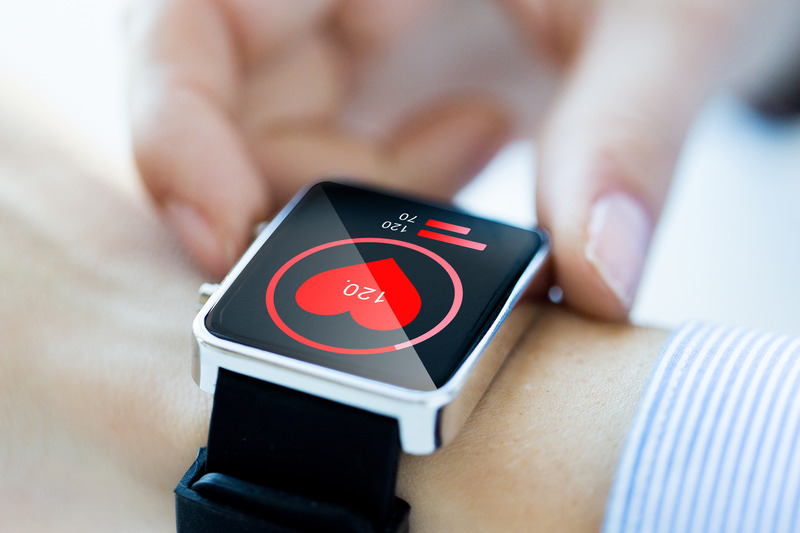
Basic fitness trackers often estimate steps, distance, calories burned, sleep patterns, and activity levels. More advanced devices may monitor heart rate, oxygen saturation, breathing patterns, movement, posture, fatigue indicators, or environmental exposures such as heat or air quality.
These tools can be useful, but they have limits. Most consumer wearables are wellness tools, not diagnostic medical devices. For example, cholesterol is usually measured through lab testing, not by a standard wearable. Blood pressure and blood glucose readings should not be relied on unless they come from an appropriate FDA-authorized device or a connected medical device. The FDA has warned consumers not to use unauthorized wearable features that claim to measure blood pressure, and it has also warned that smartwatches and rings should not be used to measure blood glucose on their own.
How Insurers and Employers May Use Wearable Data
Insurers may use wearable technology in several ways. In auto insurance, telematics programs have already shown how real-time behavior data can support usage-based pricing. In life insurance, some insurers may use health and lifestyle information in underwriting, with the applicant’s authorization and subject to state insurance rules. In employer-sponsored wellness programs, wearable data may support activity challenges, preventive health programs, or rewards.
Health insurance requires special care. ACA-compliant Marketplace health plans cannot charge more based on health, medical history, or sex. HealthCare.gov lists the main factors that can affect Marketplace premiums as location, age, tobacco use, plan category, and whether dependents are covered.
This means wearable data should not be presented as a simple way for health insurers to create individualized health-based premiums. A safer and more accurate explanation is that wearable data may support voluntary wellness incentives, care management, or population health programs when the program follows federal and state rules.
Incentives and Wellness Rewards
Some wellness programs offer incentives when participants meet activity goals, complete preventive care steps, or participate in health improvement programs. These incentives might include premium discounts, gift cards, account contributions, or other rewards.
However, rewards are not automatic, and they are not unlimited. Federal wellness program rules require health-contingent programs to be reasonably designed, not overly burdensome, and not a substitute for discrimination based on a health factor. Programs must also offer reasonable alternatives when a medical condition makes it difficult or medically inadvisable for someone to meet a standard.
For consumers and employees, the key question is not just whether a wearable program offers a reward. It is also whether the program explains the rules clearly, protects data, and gives people a fair way to qualify without a specific device.
Commercial Insurance and Workplace Safety
Wearable technology can also play a role in commercial insurance, especially workers compensation and loss control. Employers in construction, warehousing, manufacturing, transportation, and other high-risk industries may use wearables to identify unsafe lifting, monitor heat stress, alert workers to equipment proximity, improve emergency response, or support ergonomic coaching.
These tools may help reduce workplace hazards, but businesses should avoid overstating results. GAO has noted that workplace wearables may improve safety and productivity, but it also found limited published evidence on effectiveness and identified adoption concerns such as privacy, cost, ease of use, and employee tracking concerns.
For employers, the best practice is to use wearable data for safety and prevention, not for unfair discipline or discrimination. Policies should explain what is collected, who sees it, how long it is kept, and how employees can request accommodations.
Privacy and Data Protection
Wearable programs collect sensitive information. That may include health indicators, activity patterns, location data, sleep data, biometric data, or inferences about a person’s physical condition. Before sharing this data with an insurer, employer, app developer, or wellness vendor, participants should understand the privacy policy and consent form.
A strong wearable program should explain:
What data is collected.
Why it is collected.
Whether it is shared or sold.
Which vendors receive it.
How long it is retained.
How it is protected.
How a person can withdraw consent.
Whether there is a non-wearable alternative.
HIPAA may apply when data is handled by covered entities such as health plans, but many consumer health apps and connected devices may also fall under FTC rules or state consumer health privacy laws. The FTC specifically warns that health apps and connected devices may have privacy, security, and breach notification obligations.
The Bottom Line
Wearable technology can benefit individuals, employers, and insurers when it is used responsibly. Consumers may gain better insight into their health habits. Employers may improve safety programs. Insurers may support prevention, engagement, and more efficient risk management.
The safest approach is to treat wearable data as sensitive personal information. Programs should be voluntary, accurate, secure, and fair. They should clearly explain incentives, limitations, privacy protections, and alternatives. For any decision that may affect health coverage, insurance premiums, employment, or medical care, consumers and businesses should speak with a licensed insurance professional, benefits administrator, legal advisor, or healthcare provider before relying on wearable data alone.