
Article Reviewed by a licensed insurance professional: Sam Meenasian (CA dept of insurance license #0F75955).
Estimated reading time: 4 minutes
When you run a business, insurance is a core part of your financial risk management plan. Natural disasters can damage property, disrupt operations, and create severe cash-flow strain. At the same time, not every natural peril is covered automatically, and many business owners are surprised by what their policy excludes.
What does Act of God mean
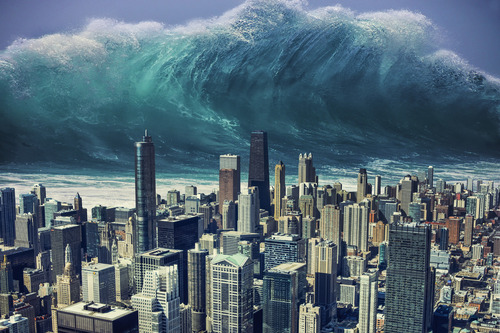
An Act of God generally refers to a natural event that occurs without human intervention and could not have been prevented by reasonable care. Examples often include floods, earthquakes, storms, and lightning.
Important detail: Many commercial insurance policies do not use the phrase Act of God as the decision point for paying a claim. Instead, your claim is evaluated based on your policy’s Covered Causes of Loss, definitions, exclusions, limitations, deductibles, and endorsements.
How commercial property policies handle natural disasters
Most small businesses buy property coverage through a Businessowners Policy (BOP) or a Commercial Package Policy. These typically cover direct physical loss or damage caused by covered perils, subject to exclusions.
In many cases, policies will cover things like:
- Fire and smoke damage
- Lightning (for example, a lightning strike that causes a fire)
- Windstorm or hail (often covered, but deductibles and endorsements matter)
However, some of the most financially damaging catastrophe perils are often excluded or limited unless you add coverage:
- Flood and storm surge: Flood damage is typically not covered under standard commercial property policies and is usually insured separately.
- Earthquake and earth movement: Earthquake damage is typically excluded under standard business insurance policies unless added by endorsement or purchased separately.
Because these perils are handled differently, the safest approach is to review your actual forms and endorsements, not just the policy summary.
Common exclusions business owners should understand
Exclusions vary by insurer and policy form, but these are common categories to discuss with your agent:
- War and warlike actions: Most policies exclude losses arising from war or warlike actions.
- Terrorism: Coverage may be excluded or offered separately, often shaped by TRIA requirements.
- Riot or civil commotion: Property damage from riot or civil commotion is often covered under standard commercial property policies, but review your policy conditions, deductibles, and any special endorsements.
- Wear and tear and maintenance issues: Gradual deterioration, corrosion, or poor maintenance is typically not covered.
- Pollution: Many standard policies limit coverage for pollution. Businesses with meaningful environmental exposure may need separate environmental liability coverage.
- Intentional acts and dishonesty: Intentional damage by an insured is generally not covered. Employee theft is typically addressed under separate crime coverage, not property coverage.
How to reduce Act of God coverage gaps
Use this checklist to tighten your catastrophe planning:
- Review your declarations and forms list
Confirm what property form you have, your deductible, your limits, and whether you have endorsements for flood, earthquake, windstorm, ordinance or law, equipment breakdown, or utility services interruptions. - Consider separate flood coverage early
Flood damage is commonly excluded from standard commercial property insurance. Flood insurance is available through the NFIP and private insurers. NFIP commercial limits can provide up to $500,000 for the building and up to $500,000 for contents, and there is typically a waiting period before coverage takes effect. - Evaluate earthquake exposure and deductible tolerance
Earthquake coverage often comes with a separate deductible that can be a percentage of the insured value. Make sure the deductible structure matches your balance sheet and risk tolerance. - Make sure business income coverage matches your real downtime risk
Business income and extra expense coverage can be critical after a catastrophe, but it often requires direct physical damage from a covered cause and may include waiting periods or sublimits. Review how long you could realistically be closed and whether your limits and restoration period assumptions are realistic. - Ask about mixed-cause losses
Losses can involve wind plus flood, or multiple causes in sequence. Many policies include anti-concurrent causation wording that can affect coverage when an excluded cause contributes to the loss.
Why this matters
NOAA reported 22 U.S. billion-dollar weather and climate disasters in 2020. Catastrophe losses like these can be financially devastating, particularly when key perils are excluded or limits do not match rebuilding costs.
Why choose USA Business Insurance
USA Business Insurance helps business owners understand catastrophe exposures and close common gaps with the right mix of commercial property, business income, and optional coverages such as flood, earthquake, and windstorm endorsements or standalone policies. Coverage depends on your specific policy forms, limits, deductibles, and location.
If you want a policy review, we can walk you through what is covered, what is excluded, and what options are available to strengthen your protection.